All presentations start at 7:00 pm
Museum at Central School, 124 2nd Ave East, Kalispell.
Free to the public, no ticket needed.
Monday, January 26, 2026
Torrey Ritter, Nongame Wildlife Biologist
Montana Fish, Wildlife & Parks, Missoula
The Beaver-modified Landscape
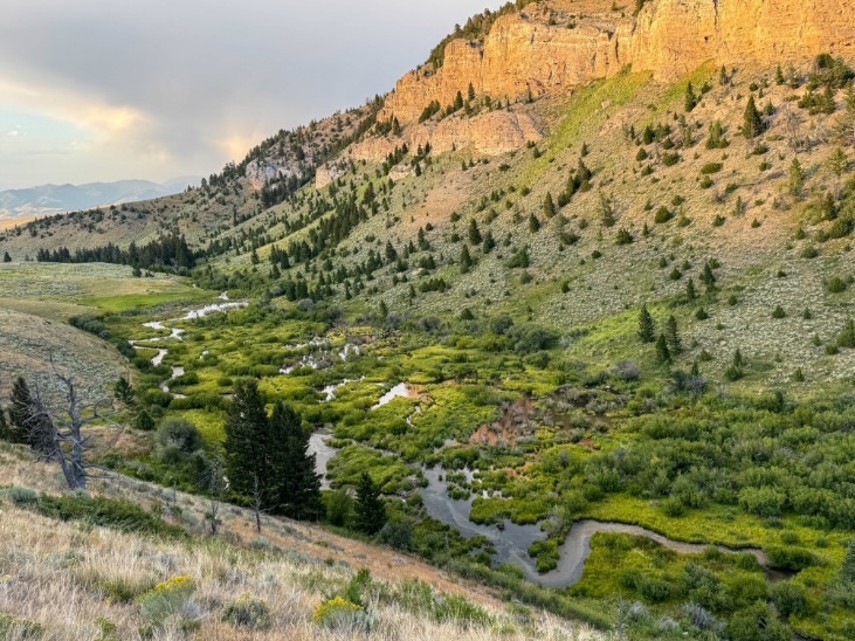
Learn about the impacts of beavers on habitat for fish and wildlife and about ways to resolve beaver conflicts.
After working on a wide range of species and habitats, beavers really captured his interest when he observed how many different species benefit from their activities on the landscape. He did his masters research on beaver dispersal and site selection and now works to restore beavers to areas of their former range and help people with beaver conflicts
Monday, February 23, 2026
Monarch Butterflies in the Flathead
What we know, what we’re learning and what to do.
Glenn Marangelo
Development Director and Founder
Missoula Butterfly House and Insectarium
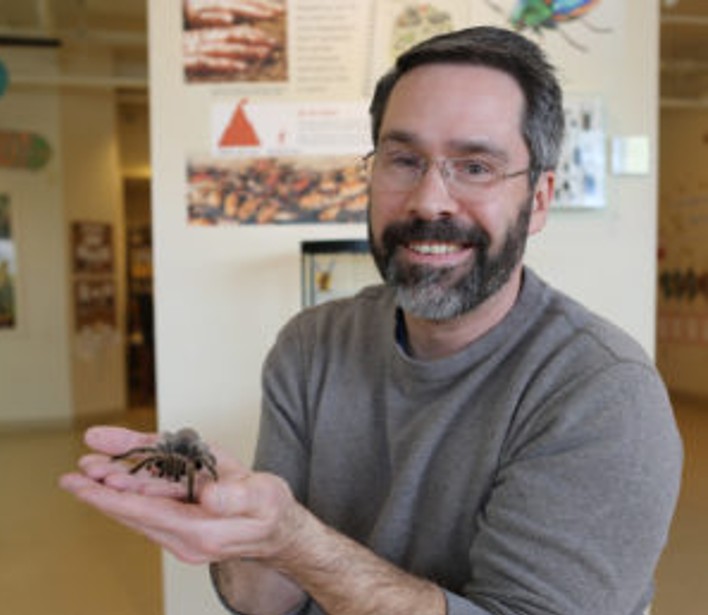
Glenn has called Missoula home since 1995. He has worked as a non-profit fundraiser having worked with Five Valleys Land Trust and Wilderness Watch, among others. In 2009 he helped found the Missoula Butterfly House and Insectarium. Glenn makes insect-filled visits in Montana and loves to “talk bugs”.
Jessie Walthers
Conservation Program Manager
Jessie has lived in the Flathead since 2015. She is an educator and a manager of conservation programs in land management and stewardship. She fosters the Pollinator Initiative for the Flathead Conservation District.
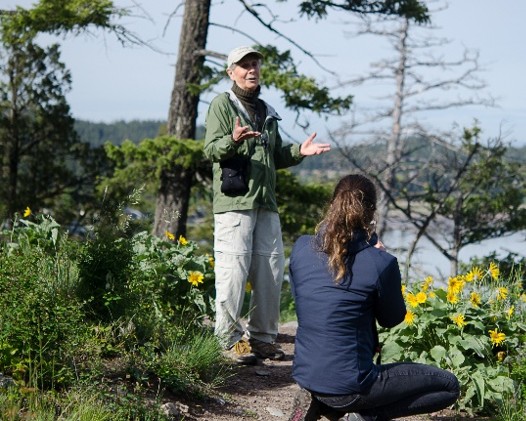
Kathy Ross, Flathead Valley Naturalist
Kathy Ross is an advocate for birds, pollinators and native plants. She has been a landscaper in the Flathead Valley for 36 years and has done years of Citizen Science work for Audubon, Native Plant Society and Glacier National Park. Last summer she documented wild Monarch Butterflies in a Kalispell garden from larval stage to adult butterflies.
Monday, March 23, 2026
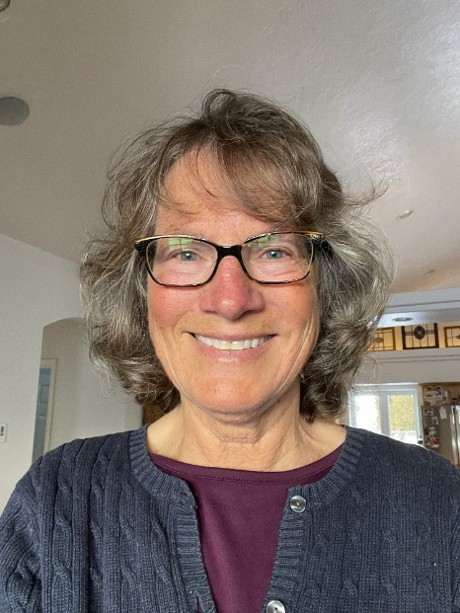
Sherry Ritter, Wildlife Ecologist
Biomimicry Institute Consultant
Biomimicry – Innovation Inspired by Nature
Learn how spider webs inspired bird-friendly windows and other ways designers have learned from nature.
After working as a wildlife biologist for Wyoming, Idaho, and the U.S. Forest Service, Sherry switched paths to become a Biologist at the Design Table for Biomimicry 3.8 and the Biomimicry Institute. After retiring in 2013, she continued to teach biomimicry workshops and as a consultant gathered knowledge about Nature’s genius.